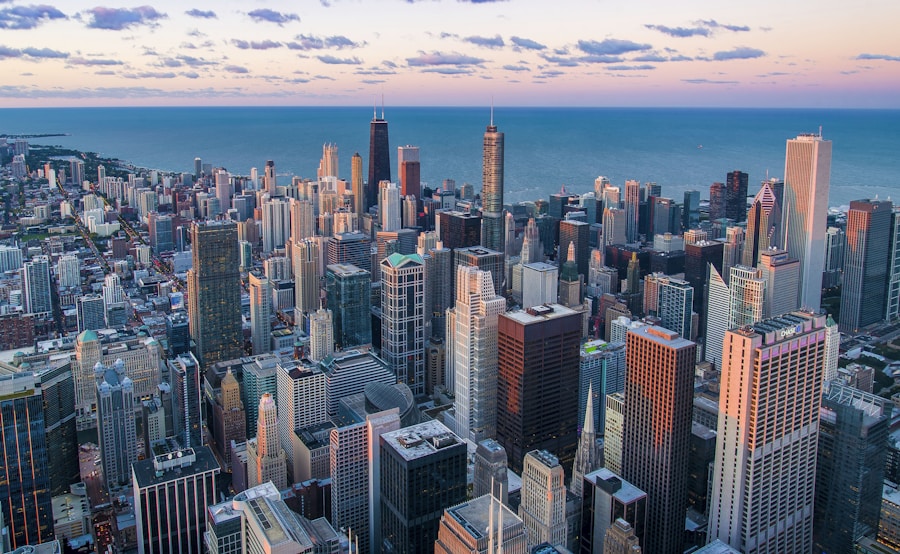
Your cousin in Kraków says the capital is overpriced. A colleague from Gdańsk rolls her eyes when you mention moving to Warsaw. A man at a bus stop in Łódź laughs: “Warsaw? They think Warsaw is Poland.” You haven’t even unpacked, and you’ve already collected your first Polish stereotype.
Here’s the thing. Warsaw is the capital, but it isn’t the whole country, and the difference matters when you plan your life here. Warsaw vs the rest of Poland for foreigners is not just a cultural debate: it touches your rent, your job options and the office that handles your Karta Pobytu (Polish residence permit). We explain the stereotypes and the history in a short video right below. This article goes further and shows what it means for your documents.
So why do so many Poles have a complicated relationship with Warsaw?
Short answer: concentration. Ministries, parliament, big company head offices, national media, major theatres and many universities sit in one city. When national decisions, national TV and top salaries all seem to come from one postcode, people elsewhere start to feel like guests in their own country.
The stereotypes follow. People from the capital are called arrogant, always in a hurry, convinced that everything revolves around them. People from the capital have their own jokes about the provinces. Most of it is banter. But banter carries real feelings about money, access and who gets heard.
For you, the useful part is simple: don’t take it personally. If a Polish friend teases you for choosing Warsaw, or for choosing somewhere else, they’re joining a very old national conversation.
💬 Skip the reading — talk to a human. WhatsApp +48 735 248 525 — Kamil, English only, free, no commitment. Open chat →
Why are money, media and political power all in one city?
Because power attracts more power. Once the ministries are in one place, lobbyists, law firms, banks and consultancies follow. Then come the head offices, the startups, the national newsrooms and the cultural institutions. Each one pulls in the next.
In practice, that concentration looks like this:
- Politics: the government, parliament and central offices are in the capital, so national decisions feel “made in Warsaw”.
- Business: many large employers and international companies have head offices here, which usually means more job ads and more English-speaking workplaces.
- Media and culture: national channels, big festivals and top venues cluster in the same place, so the national story is often told from one viewpoint.
- Services: embassies, large hospitals, major airports and many offices are easier to reach if you live in the capital region.
Now the sore point: housing. When well-paid jobs gather in one city, rents and property prices climb. Old neighbourhoods change, long-time residents get priced out, and gentrification creates real tension. Newcomers, including foreign workers, sometimes get blamed for prices they never set.
We won’t quote a rent figure here, because those numbers move every month. Before you sign anything, compare current listings in Warsaw and at least two other cities, and calculate rent plus commute, not rent alone.

How did Warsaw become so dominant, and why does its history matter?
Warsaw wasn’t always the centre. Kraków was the royal capital for centuries, and the royal court moved to Warsaw around the turn of the 17th century, largely because of its central location. Many Poles from other regions still feel that Kraków, Gdańsk or Poznań have histories at least as proud.
Then came the partitions. From the end of the 18th century until 1918, Poland did not exist as an independent state on the map. When it returned, Warsaw was the capital of the reborn country.
The Second World War changed everything. The city was devastated, especially after the 1944 Warsaw Uprising, and it was rebuilt from ruins afterwards. The Old Town was reconstructed using old paintings, photographs and surviving plans, and UNESCO lists it today as a World Heritage site.
This is why Warsaw gets a double reaction from Poles. It is resented as the place that “has everything”, and it is protected as a symbol of national survival. Both feelings are real, and both are part of Polish national identity.

Warsaw or another city: what does it change for your Karta Pobytu?
Let’s separate myth from paperwork. A Karta Pobytu (Polish residence permit) is a permit for Poland, not a permit for Warsaw. But your case is handled by the voivodeship office (urząd wojewódzki) responsible for where you live, so the city you choose decides which office you deal with.
Poland has 16 voivodeships, and each runs its own foreigners’ department. Queues, appointment availability and the way letters arrive can feel different from one office to another. That’s why advice from a friend who applied in another city is useful, but never a guarantee for your own file.
A sensible order of steps:
- Decide your city before you file. Your application goes to the voivode competent for your place of stay, so a late move can complicate things.
- Submit through MOS (mos.cudzoziemcy.gov.pl) and attend the office when invited for fingerprints and documents.
- Keep the address in your file real and current. The office writes to that address, and a missed letter can cost you time.
- If you must move to another city while your case is open, tell the office in writing first and ask what happens to your case. Don’t just move and hope.
- Sort the basics early: PESEL, Profil Zaufany and a bank account. Our guide to the best bank in Poland for foreigners shows which three documents decide what you can open.
Official information on procedures, offices and forms is on gov.pl/web/cudzoziemcy, and contact details for each regional office are on uw.gov.pl (Mazowieckie) and the other voivodeship websites.
Typical mistakes we see:
- Signing a lease in a new city without telling the office about the address change.
- Copying a friend’s timeline from a different voivodeship and panicking when yours differs.
- Not collecting post from the old address after moving.
- Choosing a city only because of stereotypes (“Warsaw is too expensive”) without checking where the job actually is.
Waiting a long time is stressful wherever you live. If it happens, read what a reminder to the office really does in 60 Days Passed, No Decision: What Ponaglenie Does, and see how modern notices arrive in Karta Pobytu Decision Arrived at 1 AM?.
Here is an illustrative example, a composite and not a real client. Priya, a software tester from Hyderabad, took a Warsaw job offer, then found that her rent budget collapsed in week two. A cheaper city looked better. Because her application was open, her first step was writing to the office about the change, before she packed a single box. Every case is different, but doing it in that order kept her file clean.
Should you live in Warsaw or in another Polish city?
There’s no universal winner. The right choice depends on your job, your family and your budget.
- Warsaw: the largest job market, many English-speaking employers, strong international communities, easy flights. The trade-offs are higher costs, crowded commutes and tougher competition for housing.
- Other big cities (Kraków, Wrocław, Gdańsk, Poznań, Katowice and others): often calmer and sometimes cheaper, with strong job markets of their own, especially in IT, logistics and services.
- Smaller towns: lower rent and quieter life, but fewer English-language jobs and longer trips to larger offices or hospitals.
Practical tip: before you sign a lease, check that your employment contract, your registered address and the address you’ve given the voivodeship office all point to the same place. Mismatches are the easiest problems to prevent.

Because your own country’s rules are different, it also helps to read a country-specific example such as Karta Pobytu for Zimbabwe citizens: steps, fees and deadlines. The logic of the steps is the same whichever city you pick.
Is the capital-versus-everyone-else rivalry only a Polish thing?
Not at all. France has long argued about Paris and “the rest”. The UK debates London against everywhere else. Countries that built new capitals, like Australia, Brazil or Canada’s Ottawa, still hear complaints about distance from real life.
And you probably know this story from home. Ask someone in Sri Lanka about Colombo, in Nepal about Kathmandu, in the Philippines about Manila, in Nigeria about Lagos or Abuja, in Zimbabwe about Harare. Everyone has a city they love to complain about while still needing it.
So the Polish feeling about Warsaw is less strange than it looks. Understanding it helps you in daily life: you’ll know why a joke lands, why people react when you say where you live, and why history sits so close to the surface here.
Frequently Asked Questions
Can I get a Karta Pobytu in a city other than Warsaw?
Yes. A Karta Pobytu is not tied to the capital. You apply to the voivodeship office competent for your place of stay, so living in Wrocław, Kraków or Gdańsk means dealing with that region’s office instead. Requirements come from national law, but office practice and appointment availability can differ.
I filed in one city and now want to move. Will I lose my case?
Don’t move silently. Tell the office in writing about the new address and ask how your case continues. Each situation depends on your permit type and the stage of your file, so check with the office or ask us before you sign a new lease.
Is Warsaw really the best place for foreign workers?
It has the biggest job market and the most English-speaking employers, but it’s not the only good option. Many foreigners build stable lives in other cities. Compare the job, the real monthly cost and your commute before deciding.
Will my Polish colleagues think badly of me if I live in Warsaw?
No. The jokes are about the city’s image, not about you. Most Poles are happy to discuss it over lunch, and showing interest in their own region usually earns you instant goodwill.
Choosing where to live is a legal decision as much as a personal one. Legal Solutions — 98% approval rate. Drop us a WhatsApp — we read every message.