You land at Warsaw Chopin Airport with a suitcase, a work ethic, and zero Polish. The immigration officer waves you through. Now what? Here's the thing most people don't realise: thousands of employers across Poland actively need workers who speak English — and many of them explicitly do not require Polish. In 2026, jobs in Poland without Polish language skills are more plentiful than at any point in the country's history. This guide tells you exactly where they are, what they pay, and how to get one legally.
Industries Where English Is All You Need
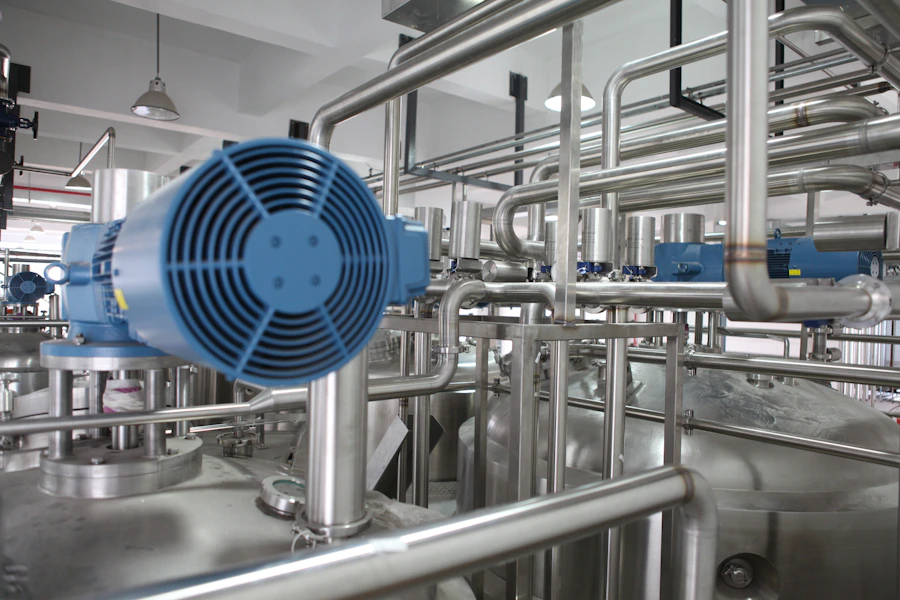
Poland's economy runs on manufacturing, logistics, and exports — and a huge chunk of that work happens on warehouse and factory floors where the primary language is gestures, machinery, and basic safety instructions. Warehouse jobs in Poland for English speakers are especially common around hubs like Łódź, Poznań, Gliwice, and the outskirts of Warsaw. Amazon, DHL, DB Schenker, and hundreds of smaller 3PL operators hire year-round, often through staffing agencies that manage the Polish-language paperwork for you. Typical gross pay sits between 4,500 and 6,200 PLN per month for standard shifts, with night and weekend premiums pushing that higher. Factory jobs for foreigners in Poland follow a similar pattern: automotive suppliers near Wrocław and Tychy, food processing plants in Mazovia, and furniture manufacturers in the Wielkopolska region all maintain English-language onboarding programmes. You will need to follow Polish safety signage eventually, but your employer is legally obliged to provide translated safety training.
💬 Skip the reading — talk to a human. WhatsApp +48 453 202 991 — we reply in 15 minutes, free, no commitment. Open chat →
Construction is another sector worth flagging. Poland's infrastructure boom — EU-funded roads, rail electrification, housing developments in every major city — means skilled tradespeople are desperately needed. Electricians, plumbers, scaffolders, and crane operators who carry recognised European or Ukrainian trade certificates regularly find work through Ukrainian or Belarusian recruitment networks without needing a single word of Polish on day one. Customer service roles for English speakers are also booming: global shared-service centres in Warsaw, Kraków, and Wrocław handle English-language support for UK, US, and Western European markets, hiring thousands of agents annually at 5,000–7,500 PLN gross.

IT, Tech & Remote Work — The No-Polish Sweet Spot
If warehouse work isn't your world, IT jobs in Poland with no Polish required are arguably even easier to find. Poland has cemented its reputation as Central Europe's tech capital: Warsaw, Kraków, and Wrocław host regional offices for Google, Microsoft, Samsung, Motorola Solutions, and hundreds of mid-size product companies. The working language in virtually every tech office is English. Junior developers start around 8,000–10,000 PLN gross; senior engineers and architects can command 18,000–25,000 PLN or more. QA engineers, DevOps specialists, data analysts, UX designers, and Scrum Masters are all in consistent demand. Polish is genuinely optional — your Jira tickets, code reviews, and architecture meetings will be in English by default.
For a deeper breakdown of tech hiring specifically for candidates from South Asia, see our guide on IT Jobs in Poland for Indian Professionals 2026 — the salary data and visa pathways apply broadly, not just to Indian nationals.
Remote and hybrid roles add another dimension. Many Polish-registered companies hire abroad and let employees work remotely from within Poland under a B2B contract (umowa o dzieło or działalność gospodarcza). This means you can land a tech contract from a company anywhere in the EU, reside legally in Poland, and never need Polish at the workplace. However, your tax filings, ZUS contributions, and residence paperwork will be in Polish — which is exactly where professional help becomes worthwhile. The Ministry of Labour's online labour market portal at gov.pl lists vacancy statistics by sector and can give you a real-time sense of demand in your field.
Practical tip — Marta, a composite of clients we've helped: 'I applied to a Kraków fintech on LinkedIn in English, did three video interviews in English, and signed my contract in English. My HR contact spoke better English than most people I'd worked with in London. The only Polish I needed in the first six months was to order coffee.'
English Speaking Jobs in Warsaw, Kraków, and Wrocław
Geography matters. Warsaw is Poland's undisputed English-speaking job capital: the city's Mokotów and Wola districts are lined with glass towers housing shared-service centres, consulting firms, and tech giants. English-speaking jobs in Warsaw in 2026 span finance (HSBC, Citi, ING), consulting (Accenture, Capgemini, Infosys BPO), e-commerce (Zalando, Allegro), and gaming (CD Projekt, Techland). Kraków ranks second: it has historically attracted BPO and IT outsourcing, and its English-speaking workforce is dense enough that entire neighbourhoods feel like international campuses. Wrocław punches above its size — KGHM, Nokia, UPS, and a thriving startup scene make it a genuine alternative to the capital for English-first roles.
Beyond the top three, Poznań hosts a strong automotive and logistics cluster (Volkswagen Poznań, Amazon logistics), Gdańsk has a growing tech and maritime sector, and Łódź offers lower living costs alongside a solid manufacturing and e-commerce base. If you're open to relocation, smaller cities often mean less competition for the same English-language roles — and your PLN salary stretches considerably further when rent is 1,800 PLN instead of 3,500 PLN.

How to Actually Get Hired — Practical Steps
Knowing the sectors is one thing; landing the job is another. Here's what works in 2026 for logistics jobs in Poland without Polish and beyond.
- Build a Polish-market CV. One page, reverse-chronological, no photo required (though common in Central Europe). Quantify everything. Polish employers respond well to concrete outputs: 'processed 350 orders per shift' beats 'responsible for order fulfilment'.
- Use the right platforms. Pracuj.pl, NoFluffJobs (tech-focused), LinkedIn, and Olx.pl Praca are the main channels. Filter by 'język angielski' (English language) in the job requirements — most portals have this filter built in.
- Target multinational employers first. Their HR systems, offer letters, and onboarding are already internationalised. A Polish SME may technically not require Polish but will struggle to integrate you without it; a multinational won't have that problem.
- Contact staffing agencies. Manpower, Adecco, Randstad, and dozens of local agencies (especially those specialising in Ukrainian, Belarusian, or Vietnamese workers) act as intermediaries and often handle work permit paperwork on your behalf.
- Prepare for a Polish bank account. Once you have a job offer, you'll need to open a Polish bank account for salary payments. PKO BP, mBank, and Santander all offer English-language onboarding online. You'll need your passport and residence address.
For a comprehensive walkthrough of the job search process from abroad, our guide on How to Find a Job in Poland as a Foreigner 2026 covers every step from application to first pay cheque.
Your Legal Status While Working in Poland
Having a job offer is only half the picture. Working legally in Poland requires the right residence and work authorisation — and the rules changed meaningfully in 2024–2025, with further updates in force for 2026. Here's the landscape in plain terms.
EU/EEA nationals have the right to work in Poland without a work permit. You should register your residence at the local municipal office (urząd gminy) within 30 days of arrival if you plan to stay longer than 3 months. Non-EU nationals — the majority of people reading this guide — need either a work permit issued to their employer (most common for employment contracts) or a declaration of intent (oświadczenie) which covers certain nationalities for up to 24 months. After working legally for a period, you can apply for a Temporary Residence and Work Card (Karta Pobytu), which is a single document combining your right to reside and work. Applications go through the Regional Governor's office (urząd wojewódzki). The official immigration authority portal at cudzoziemcy.gov.pl has the current form sets and processing time estimates — as of mid-2026, Mazovia (Warsaw region) is processing Karta Pobytu applications in approximately 3–5 months.
Your employer is obligated to register you with ZUS (Zakład Ubezpieczeń Społecznych) — the Polish social insurance institution — from day one. This covers health insurance, pension contributions, and accident insurance. If you're on a B2B contract rather than an employment contract, you register with ZUS yourself — contributions are currently around 1,600 PLN per month for standard coverage in 2026. Do not let employers skip this step: unregistered employment is illegal and leaves you with no health coverage and no proof of legal work tenure for future Karta Pobytu applications.
For everything related to immigration status, the official source is the Polish immigration authority at gov.pl/web/cudzoziemcy — this is where form updates, processing times, and policy changes are published first.

Frequently Asked Questions
Can I really work in Poland without speaking any Polish at all?
Yes — for the specific roles and employers described in this guide. That said, even a basic 'survival Polish' vocabulary (numbers, greetings, safety terms) will dramatically improve your daily life and show goodwill to colleagues. Most employers in English-first environments don't require Polish proficiency, but they appreciate any effort you make. Apps like Duolingo or Babbel can get you to conversational basics in 3–4 months of consistent practice.
Which Polish cities have the most English-speaking job vacancies?
Warsaw leads by a significant margin, followed by Kraków and Wrocław. These three cities account for the majority of BPO, tech, and shared-service employment in Poland. Poznań and Gdańsk are strong alternatives with lower costs of living. If you're targeting warehouse or factory roles, the Łódź agglomeration and the Silesia region (Katowice, Gliwice, Tychy) offer the highest volume of English-acceptable manual work.
How long does a work permit take in Poland in 2026?
Processing times vary significantly by region and permit type. A standard work permit (zezwolenie na pracę) issued to your employer typically takes 1–3 months in less congested regions; Warsaw's Mazovia office can run 4–6 months for complex cases. The Karta Pobytu (Temporary Residence and Work Card) takes 3–6 months on average nationally. Applying through a licensed immigration law firm can help ensure your file is complete on first submission, avoiding the delays caused by requests for additional documents.
Do I need a job offer before applying for a Polish work permit?
In most cases, yes. The standard Polish work permit is employer-tied — your employer applies for it on your behalf, naming you specifically. You cannot apply for a general 'open' work permit. Some categories, like the EU Blue Card for highly skilled workers, require a minimum salary threshold (currently around 150% of average gross salary) but follow the same employer-nomination model. The only exception is EU/EEA nationals, who need no permit at all.
Can I switch jobs once I'm in Poland on a work permit?
Switching jobs while on a work permit tied to a specific employer requires either your new employer to apply for a fresh permit, or — if you already hold a Karta Pobytu that includes work rights — an update or new application reflecting the change. You should not start working for a new employer before the new authorisation is in place. This is one of the most common legal mistakes we see, and it can jeopardise your future residence applications. Get advice before you hand in your notice.
Every situation described above has nuances — visa categories, family reunification, self-employment, dual-nationality complications. Legal Solutions — 98% approval rate.