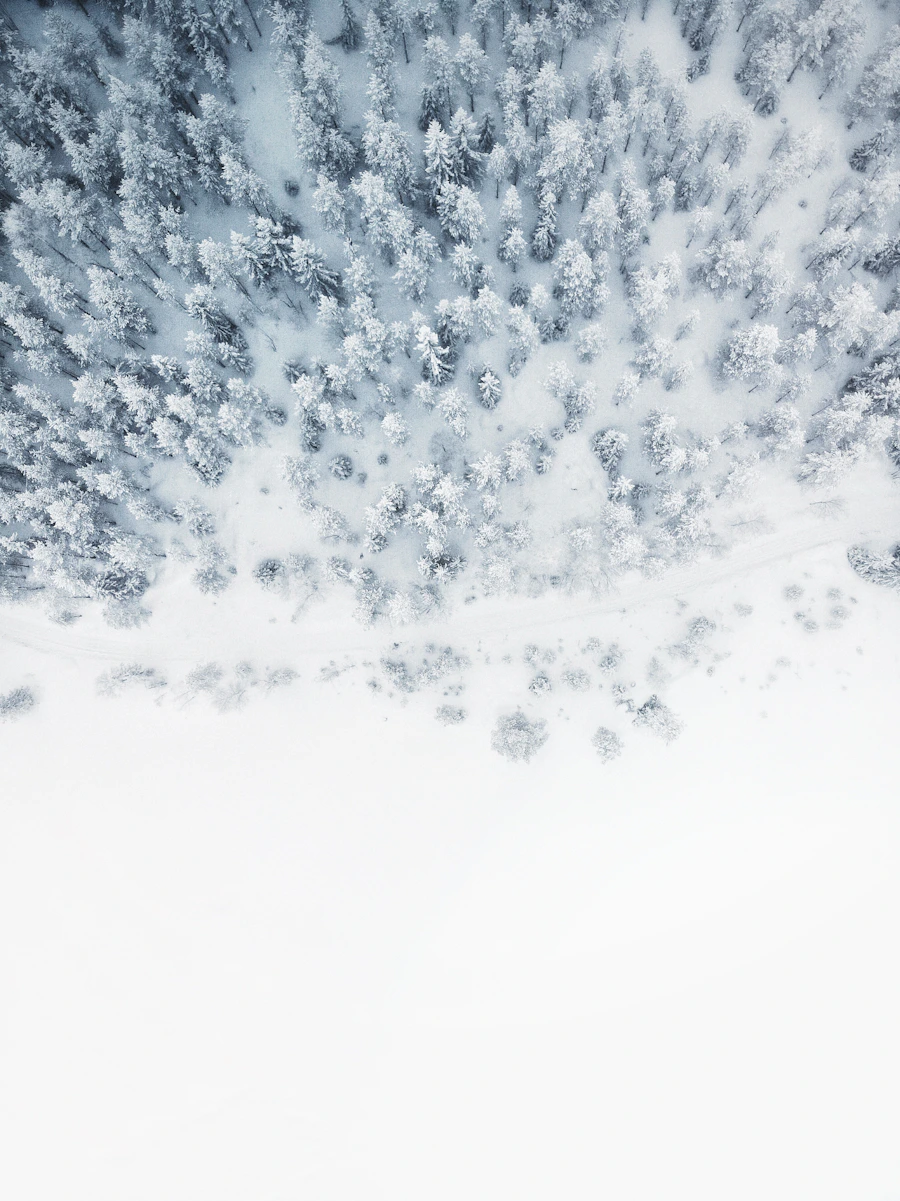
Moving to Poland from India, Bangladesh, or Sri Lanka brings one climate shock that catches nearly every new arrival off guard. Poland has four distinct seasons, and winter temperatures regularly drop below -10°C — something most South Asian workers have never experienced. Understanding what to expect in each season, and how to prepare, can save you from misery, missed work, and unnecessary health problems. This guide covers everything Asian workers need to know about Polish weather in 2026.
Poland's Four Seasons at a Glance
Poland's temperate continental climate means four clearly defined seasons, each requiring a completely different approach to clothing and daily life.
- Spring (March–May): Temperatures rise from near-freezing in March to a comfortable 15–20°C by May. Expect frequent rain and unpredictable swings — snow and sunshine can occur in the same week in March
- Summer (June–August): Warsaw's warmest months average 22–26°C, occasionally reaching 32–35°C during heatwaves. The most comfortable season for workers from tropical climates
- Autumn (September–November): September feels like late summer, but October brings grey skies and dropping temperatures. November is cold, wet, and dark — a challenging month for many newcomers
- Winter (December–February): Average temperatures -3 to -10°C, with wind chill making it feel considerably colder. Short days (only 8 hours of daylight in December) add to the challenge
Winter: The Biggest Climate Shock for South Asian Workers
Polish winter is unlike anything experienced in India, Bangladesh, or Sri Lanka. The combination of sub-zero temperatures, wind, ice, and early darkness can feel overwhelming without preparation.
- Warsaw's average January temperature is -3°C, but wind chill can make it feel like -15°C or colder on exposed days
- Black ice on pavements from November to March causes falls — wear boots with grip soles and walk slowly
- Indoor spaces (apartments, offices, shopping centres) are heated to 20–22°C, so dress in removable layers
- Daylight drops to as little as 8 hours in December — fatigue and low mood are common until your body adjusts
- Snow can remain on the ground for weeks at a time in January and February without melting

Essential Winter Clothing: What to Buy Before November
Proper clothing is the most critical investment before your first Polish winter. Many workers from South Asia underestimate this and spend their first winter sick and miserable. Here is what you need:
- Thermal base layer — long underwear top and bottom rated to -10°C or lower. Decathlon sells sets for 50–90 PLN
- Heavy winter jacket — rated to at least -15°C with a windproof outer shell. Budget options at Reserved or Sinsay from 150 PLN; quality brands like Columbia from 400–700 PLN
- Insulated, waterproof boots — anti-slip soles are essential. Expect to pay 200–500 PLN for boots that will last the season
- Hat, gloves, and scarf — wool or synthetic fleece. Pepco sells full sets for 30–60 PLN
- Thick thermal socks — regular cotton socks are insufficient; buy wool or thermal-blend socks rated for cold weather
Tip: Buy winter gear in October, not December. December queues at Decathlon are long and popular sizes sell out fast.
Spring and Autumn: The Most Comfortable Transition Seasons
For workers from South Asia, spring and autumn are often the most enjoyable Polish seasons — temperatures are moderate and the environment feels less extreme.
- April and May are Warsaw's most beautiful months — flowering chestnut trees, long evenings, outdoor markets, and temperatures between 12–20°C
- September often delivers a second summer — warm days up to 22°C, clear skies, and the famous "złota jesień" (golden autumn) with amber leaves in city parks
- October requires a medium-weight jacket — temperatures drop from 15°C at the start of the month to around 5°C by the end
- March is unpredictable: be prepared for both snowfall and warm sunny spells. Layering is the only reliable strategy
Polish Summer: Short but Warm and Worth Enjoying
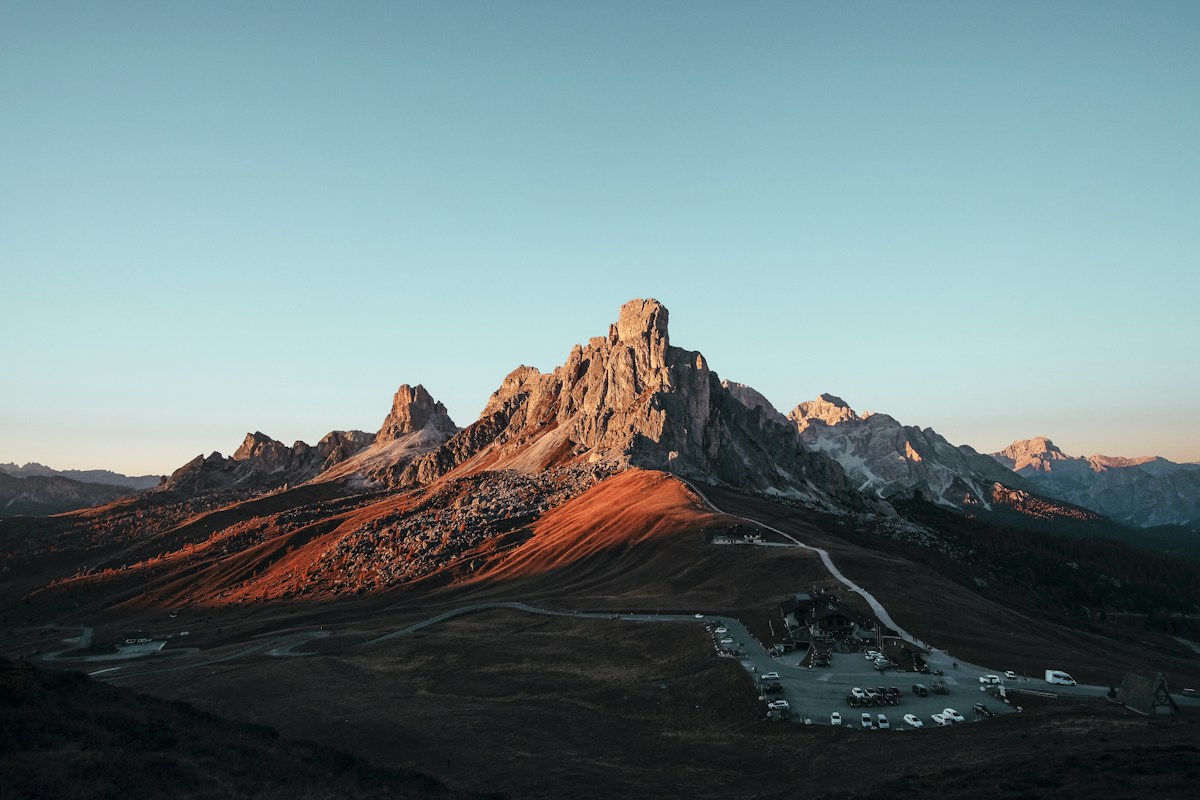
Summer in Poland runs from roughly mid-June to late August — only about 10–12 weeks. Workers from tropical countries may find it mild, but Poles consider it their best season.
- Average daytime temperatures: 22–26°C in Warsaw, with frequent warm evenings
- Heatwaves above 30°C occur almost every summer, usually lasting 5–10 days
- Daylight is exceptional — sunrise at 4:30 AM and sunset at 9:00 PM in June; parks stay busy until late evening
- Air conditioning is NOT standard in Polish apartments — buy a portable fan before summer if you struggle with heat
- Thunderstorms are common in July and August; carry a compact umbrella
Practical Tips for Adapting to Polish Weather Year-Round
- Take Vitamin D supplements from October through April — lack of sunlight causes deficiency and affects immunity, sleep, and mood
- Moisturise daily — cold, dry air causes skin cracking, especially for people from humid climates. Use heavy-duty body lotion from November onwards
- Eat warm meals — soups and stews are central to Polish winter life for good reason; they help maintain body temperature during cold commutes
- Update your commute plan — Warsaw public transport runs reliably in snow, but ice slows walking time; add 10–15 extra minutes in winter mornings
- Check Windy.com or the Meteo PL app — Warsaw weather shifts quickly; check the forecast the evening before for outdoor work days
Buy thermal base layers and grip-sole boots before your first October ends — prices are lower, sizes are available, and you will be ready the moment temperatures drop. Do not wait until December.
Settling into Polish seasons takes one full year — and during that time, your residence permit paperwork should not slow you down. Legal Solution — 98% approval rate.